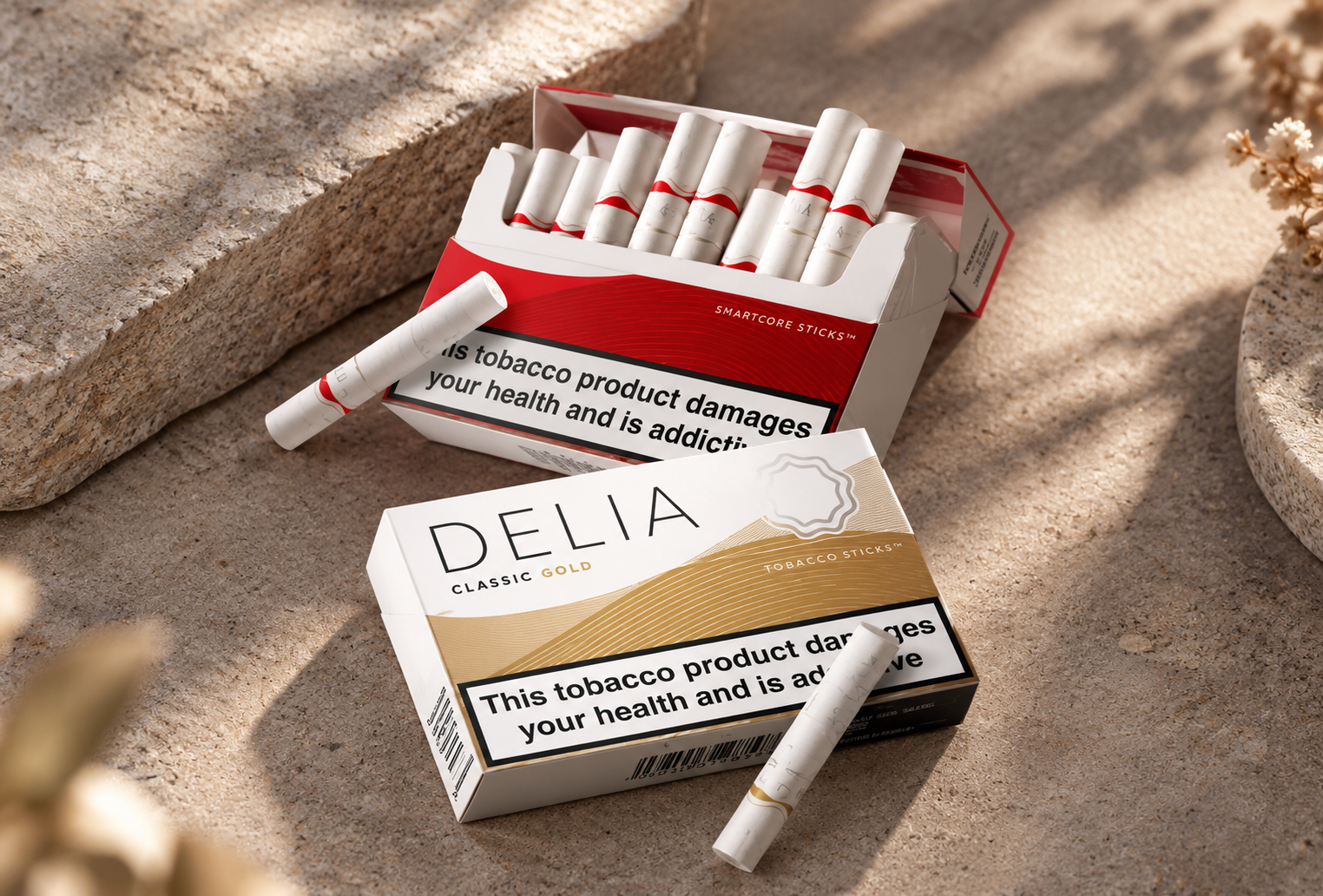
The development of стики DELIA reflects a wider transformation in heated tobacco technology, where product design, tobacco blends and electronic heating systems are increasingly developed as parts of a single experience. Designed for compatible IQOS ILUMA devices, DELIA sticks combine processed tobacco with an integrated metal heating element that works with induction technology. Their construction distinguishes them from conventional cigarettes and from consumables designed for older blade-based heating devices.
DELIA also occupies a particular position within the heated tobacco category. Its range emphasizes familiar tobacco-oriented flavour profiles, offering an alternative for adult consumers comparing different products designed for the same device family. Understanding DELIA means looking at how its internal structure works, how it differs from other heated tobacco sticks, why compatibility matters and how product innovation intersects with changing expectations around everyday tobacco use.
What Are DELIA Heated Tobacco Sticks?
DELIA is a range of heated tobacco sticks developed specifically for IQOS ILUMA and compatible devices using the SMARTCORE INDUCTION SYSTEM. Unlike a conventional cigarette, which burns tobacco, a DELIA stick is designed to be heated electronically. The system produces a tobacco aerosol without conventional combustion, although this does not mean that the product is harmless or free from nicotine.
The defining feature is the relationship between the consumable and the device. A DELIA stick contains a metal heating component within its tobacco section. When the stick is inserted into a compatible device, the induction system heats that component, which then heats the tobacco. The arrangement allows the device to operate without the exposed heating blade used in earlier IQOS generations.
This design makes DELIA more than a tobacco stick that happens to fit inside an electronic holder. Its internal construction is part of the heating system itself, so the consumable must be engineered to work with the device’s particular technology. The stick, the heating element and the electronic system function as an integrated product.
The tobacco section is also designed with a sealed construction. This helps limit tobacco residue inside the holder after use and changes the maintenance requirements compared with earlier blade-based systems. Although the design can reduce the need for routine cleaning associated with exposed blades, users should still follow the device manufacturer’s handling and care instructions.
Inside the Stick: How the Technology Works
The internal structure of DELIA is central to understanding its operation. The stick combines a prepared tobacco blend with a metal heating component, airflow channels, filtering and cooling sections, and protective materials. Each element contributes to the way the product interacts with the device and how the resulting aerosol passes through the stick.
The induction mechanism generates heat through interaction with the metal component inside the consumable. This differs from a design in which a blade physically enters the tobacco section and transfers heat directly. In the ILUMA system, the heating component is incorporated into the stick, while the device supplies the electromagnetic energy required to warm it.
The sealed tobacco section is another important design feature. Because the heating mechanism is integrated into the consumable, the tobacco portion is enclosed rather than exposed to a conventional blade. The protective construction helps keep the holder cleaner during normal operation and supports the insertion and removal of the stick.
Airflow and cooling sections also contribute to the overall design. Air passes through the stick during use, while the cooling segment helps lower the temperature of the aerosol before it reaches the user. These components affect the product’s physical operation and sensory characteristics, although individual perceptions of flavour, warmth and draw can differ.
The metal component requires careful handling. DELIA sticks must not be opened, disassembled or swallowed, because they contain a sharp metal part that can cause serious injury if ingested. They should be kept out of reach of children and used only as directed by the manufacturer.
DELIA Flavours and the Appeal of Classic Tobacco Profiles
One of the distinguishing characteristics of DELIA is its focus on classic tobacco flavour profiles. While heated tobacco products vary in their blends and sensory presentation, DELIA’s range is positioned around familiar tobacco notes rather than relying exclusively on elaborate flavour combinations.
The available range described in official product information includes DELIA Classic Red, Classic Gold and Classic Dark Green. These variants offer different sensory directions within the broader category of tobacco-oriented heated sticks. Classic Red is associated with a fuller, more pronounced tobacco profile, while Classic Gold is presented as a more balanced blend. Classic Dark Green combines a tobacco character with a cooling menthol note. Availability can differ between product lines and markets, so the exact selection should be confirmed through current product information.
These distinctions illustrate how flavour has become an important part of product differentiation in the heated tobacco category. Rather than treating every stick as essentially identical, manufacturers develop different blends to offer variations in aroma, intensity and cooling sensation.
However, flavour descriptions remain subjective. Words such as rich, smooth, balanced and cooling communicate intended sensory characteristics rather than objectively measurable differences in quality or health risk. A stronger flavour does not mean that a product is safer or more harmful simply because it tastes more intense, and flavour preference should not be confused with an assessment of the product’s medical consequences.
For consumers comparing DELIA with other heated tobacco sticks, the most useful distinction is the intended flavour profile and the exact product specification. Packaging descriptions can help explain these differences, but they cannot predict precisely how every individual will perceive the same blend.
DELIA and TEREA: Different Approaches Within One System
DELIA and TEREA belong to the same broader ecosystem of heated tobacco consumables for IQOS ILUMA. Both use the SMARTCORE induction-heating approach and are designed to operate with compatible ILUMA devices. Their shared technology does not mean that their flavour ranges or product positioning are identical.
TEREA offers a broader selection of tobacco blends and flavour variations, including products with more layered sensory profiles. DELIA places greater emphasis on classic tobacco-oriented blends. This gives the two ranges different identities while allowing them to share the same basic device compatibility.
The distinction is useful when understanding how product portfolios develop around a single hardware platform. Manufacturers can introduce different consumable ranges for different preferences without requiring a completely separate heating device for each one. The device supplies the heating technology, while the stick’s blend and internal construction determine its particular characteristics.
Compatibility remains essential, however. DELIA sticks are designed for IQOS ILUMA and compatible ILUMA i devices, not older IQOS generations that use an exposed heating blade. Using a DELIA stick in an incompatible device can damage the equipment. Consumers should check the exact model and follow the manufacturer’s compatibility instructions rather than relying on the general IQOS brand name.
This is also why product descriptions should identify the precise consumable and its intended device family. Similar packaging or a shared brand ecosystem does not make every tobacco stick interchangeable.
Product Authenticity and the Importance of Clear Information
As the heated tobacco market develops, clear product identification becomes increasingly important. DELIA’s specialized internal construction means that buyers need to know what product they are purchasing and which device it is designed to work with.
Packaging can provide information about the product name, flavour variant and intended device family. Nevertheless, packaging alone cannot conclusively establish authenticity. A careful assessment should also consider the seller’s transparency, the consistency of the product description, the condition of the packaging and whether the available information agrees with the manufacturer’s specifications.
Online listings deserve particular attention because consumers may not be able to inspect the product before purchase. Unclear descriptions, inconsistent model information or unsupported claims about compatibility are reasons to seek clarification. Where uncertainty remains, manufacturer documentation and appropriate support channels are more dependable than a seller’s unsupported assurance.
Product information should also distinguish between flavour characteristics, technical specifications and health-related claims. Describing a blend as smooth or a heating system as blade-free does not establish that the product is harmless. Clear terminology helps consumers understand what a product actually offers without confusing engineering features with medical conclusions.
Heated Tobacco and Changing Social Expectations
DELIA’s design also fits into a wider discussion about how technology is changing tobacco-related routines. Heated tobacco devices require charging, compatible consumables and a different maintenance approach from conventional cigarettes. These practical details can influence how adult users organize their habits and how they perceive the role of tobacco products in everyday life.
Sensory differences can affect social perceptions as well. Heated tobacco products do not produce conventional cigarette smoke through combustion, and their odour may differ in character and persistence. Yet the resulting aerosol still contains nicotine and other chemicals. A less noticeable smell does not mean that emissions are harmless or that using the product is automatically acceptable in a shared environment.
Restaurants, workplaces, transport facilities and other public spaces may maintain rules that restrict heated tobacco products alongside conventional smoking. These policies depend on the applicable requirements and the venue’s own rules, not simply on whether a product produces ash or a persistent cigarette smell. Respecting those restrictions is an important part of considerate behaviour around people who do not use tobacco.
The broader cultural change is therefore more complicated than a transition from traditional cigarettes to electronic devices. New technology can alter the format and routine of consumption, but it does not remove questions about public health, nicotine dependence or the comfort of others.
What the Technology Does—and Does Not—Change
DELIA demonstrates how the engineering of heated tobacco products has evolved. Its integrated metal heating component, sealed tobacco section and compatibility with induction-based devices distinguish it from conventional cigarettes and earlier blade-based consumables. Its flavour range provides additional variation within the same hardware ecosystem.
These technical differences should be considered separately from health risks. DELIA is a tobacco product that delivers nicotine, which is addictive, and its aerosol contains substances that can pose health risks. The absence of conventional combustion does not establish that the product is safe, and differences in smell or flavour do not eliminate concerns about exposure.
For adult consumers researching the category, understanding the product’s construction, flavour profile and device compatibility provides a clearer foundation for evaluating its characteristics. It also helps prevent confusion between products designed for different heating systems.
Ultimately, DELIA illustrates a wider direction in consumer product development: hardware and consumables are increasingly engineered together, while variations in flavour and design create distinct product identities. Its significance lies in this combination of specialized construction, induction technology and classic tobacco-oriented blends. Understanding those features—alongside the limitations of the technology—offers a more complete view of DELIA and its place in the evolving heated tobacco market.